


How Reusable Bags Help Reduce Carbon Releasing in Distribution?
2026-02-05 18:07
Excellent question. The carbon reduction benefits of reusable bags in distribution are real, but they are often more nuanced than a simple "bags = less carbon" equation. The primary savings come from scale, efficiency, and material longevity.
Here’s a breakdown of how reusable bags help reduce carbon emissions in the distribution chain:
1. Drastic Reduction in Single-Use Bag Production
The biggest carbon win happens before distribution even starts.
Single-Use Bags (Plastic & Paper): Must be continuously manufactured in enormous volumes. This involves extracting raw materials (crude oil for plastic, trees for paper), energy-intensive processing, and factory emissions. Every new bag carries this "embedded carbon."
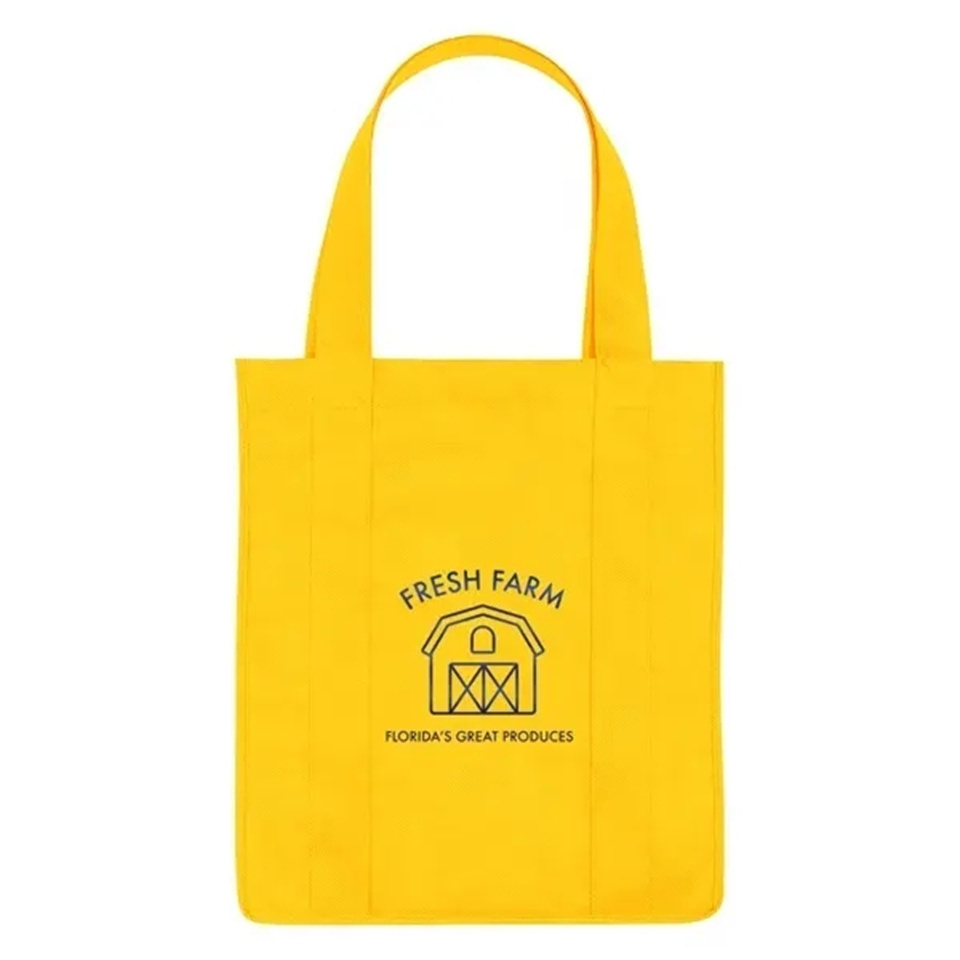
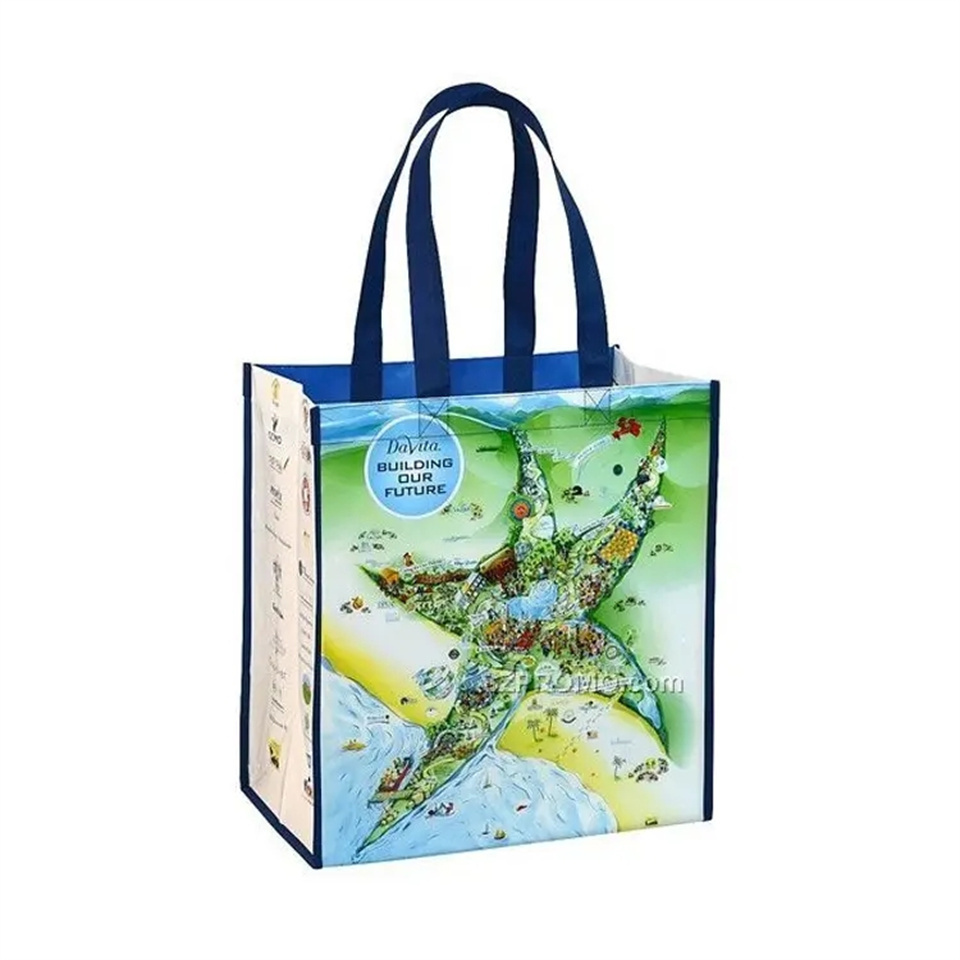
Reusable Bags: Typically made from sturdier materials like cotton, RPET (recycled plastic), or non-woven polypropylene. While their individual production carbon footprint is higher than one single-use bag, they are designed to be used hundreds of times. This spreads their initial manufacturing emissions over many, many trips.
2. Optimization in Transport and Logistics
This is where distribution-specific savings become clear.
Volume and Space Efficiency: Single-use bags are bulky for their utility. A pallet of flat-packed plastic bags holds thousands, but once inflated with groceries, they become voluminous waste. Reusable bags, being stronger, can carry more items per bag, reducing the total number of bags needed per shopping trip. This means:
To Store: Stores need fewer frequent deliveries of disposable bags, as a shipment of reusable bags lasts much longer (serving hundreds of customers each).
From Store: Customers pack more efficiently, potentially requiring fewer bags overall. This reduces the logistical footprint of bag procurement for the retailer.
Reduced Reverse Logistics for Waste: Single-use bags create immediate waste that stores and municipalities must collect, transport, and process (to landfill, incineration, or hopeful recycling). This waste collection fleet runs on fuel and generates emissions. Reusable bags eliminate this entire waste stream from the distribution/collection cycle.
3. Long-Term Material Efficiency and Waste Reduction
Lifecycle Analysis: A well-made reusable bag used 100+ times has a dramatically lower carbon footprint per use than 100+ single-use bags. It displaces the need to produce, transport, and dispose of all those disposable bags.
Avoiding Methane from Landfills: Plastic bags in landfills degrade slowly and can release methane (a potent greenhouse gas) if they break down anaerobically. By reducing plastic bag waste, reusable bags help mitigate this.
Lowering Recycling/Incineration Footprint: Recycling plastic bags is mechanically challenging and not very efficient. The process of collecting, sorting, and melting them down consumes energy. Incineration releases carbon directly. Reducing the volume of single-use bags reduces the carbon footprint of these end-of-life processes.
Important Caveats and Considerations:
For reusable bags to be a net positive for the climate, how they are used is critical.
Number of Reuses: This is the most important factor. A cotton tote bag must be used 50-150 times to break even with the carbon footprint of a single-use plastic bag used once. For a bag made from recycled plastic, it might be 10-20 times.
Material Matters: The production footprint varies greatly.
Cotton (especially conventional): Very high water and energy use in farming and production. Requires the most reuses.
Recycled PET (RPET): Made from recycled bottles, giving a second life to waste plastic. Lower initial carbon footprint.
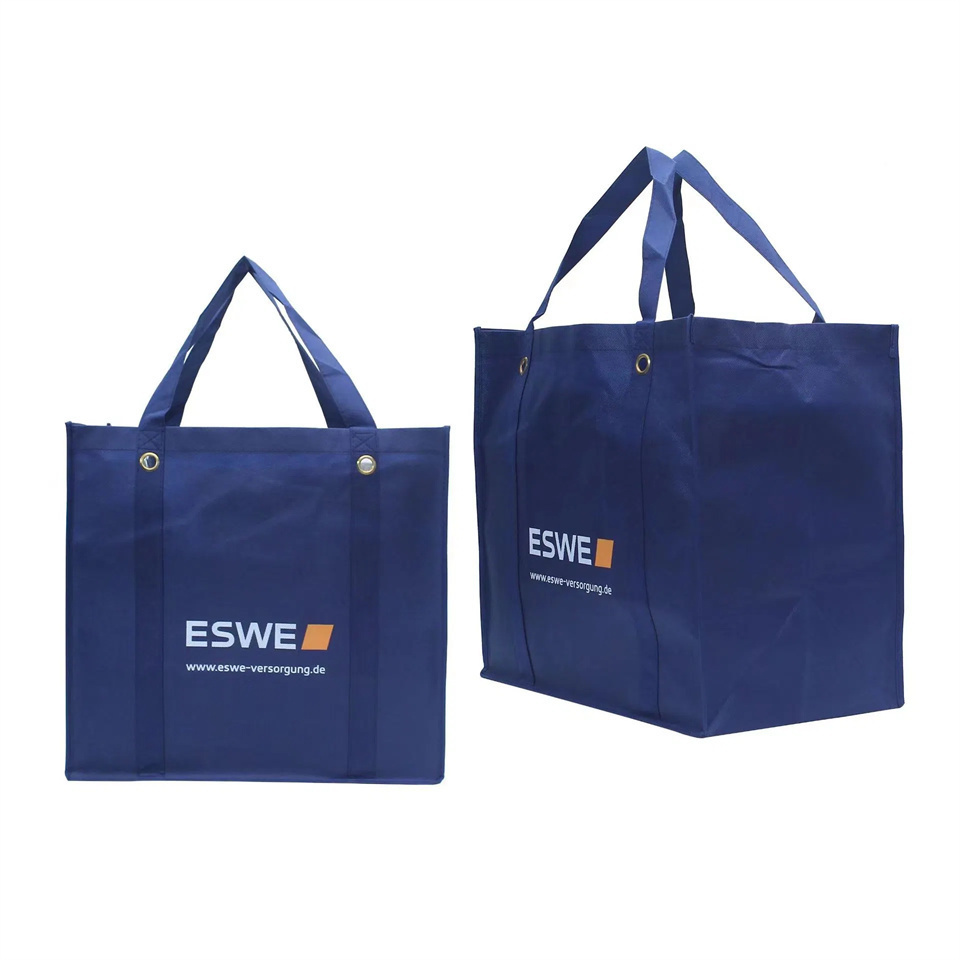
Non-Woven Polypropylene: A common "green bag," it's still plastic but is durable and requires fewer reuses to break even.
Consumer Behavior: If people treat reusable bags as disposable collectibles and acquire dozens they rarely use, the system fails. The ideal is to have a few durable bags used for years.
Washing and Care: Washing bags (especially in hot water) frequently adds to their carbon footprint. Simple airing out and occasional cold washing is best.
Understanding What a Carbon Footprint Means in Retail
A carbon footprint represents the total amount of greenhouse gases released into the atmosphere as a result of a product or business activity. In retail, carbon emissions come from packaging, manufacturing, transportation, energy use, waste, and everyday operations.
Single-use plastic bags contribute heavily to a retail store’s carbon footprint because they require fossil fuels to produce and take centuries to break down. Switching to reusable bags reduces the environmental impact by cutting down on the need for constant manufacturing of disposable items.
When a retailer chooses reusable bags, they reduce carbon emissions associated with production, transportation, and waste processing.
Reusable Bags Reduce Waste in Landfills and Oceans
Single-use plastic bags are one of the most common items found in landfills, waterways, and marine environments. They break down into microplastics that pollute ecosystems for hundreds of years.
Reusable bags significantly reduce this waste because a single bag can replace hundreds of plastic bags over its lifetime. Canadian retailers that adopt reusable bags help prevent waste accumulation and support cleaner communities.
By encouraging customers to bring their own bags, stores also help reduce the number of disposable bags needed each year. This leads to a measurable reduction in landfill waste, pollution, and environmental harm.
Lower Production Emissions Compared to Single-Use Bags
Although reusable bags require more resources to manufacture than a single plastic bag, the environmental impact is much lower when the bag is used repeatedly.
A reusable bag can last for years, replacing hundreds of disposable bags. This reduces the overall emissions required to produce, transport, and dispose of retail packaging.
For example:
Cloth bags can be used for many years before wearing out
Reusable non-woven bags are lightweight but durable
Recycled fabric bags give a second life to existing materials
Reusable paper bags reduce reliance on fossil fuels
The more often shoppers reuse their bags, the more carbon emissions are saved over time.
Reusable Bags Support Canada’s Sustainability Goals
Canada is actively working to reduce single-use plastics, and this includes retail packaging. Many cities have introduced bans or fees on plastic bags, encouraging customers to switch to reusable alternatives.
Reusable bags support:
Federal efforts to reduce plastic waste
Provincial regulations limiting single-use items
Municipal sustainability programs
Corporate commitments to green operations
Retailers that switch to environmentally friendly bags align themselves with these national and local goals, creating a more responsible business environment across the country.
How Reusable Bags Improve Brand Image
Canadian customers appreciate companies that take sustainability seriously. Using reusable bags shows that your brand cares about the environment and wants to contribute positively to the community.
When customers leave your store with a reusable bag, they continue to use it at home, for shopping, or for other errands. This increases your brand visibility and reinforces the idea that your business values sustainability.
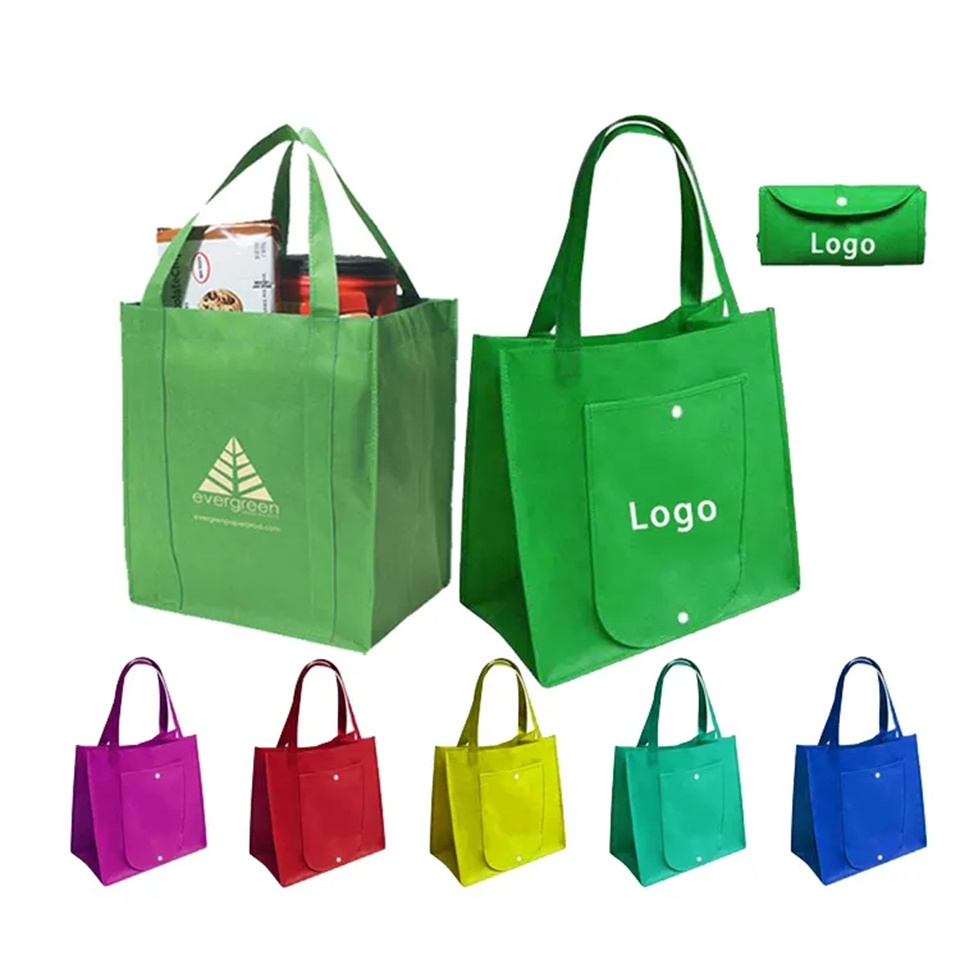
Reusable bags also provide excellent branding opportunities. They can be printed with logos, colours, and messages that help your business stand out. Many retailers use reusable bags as part of their marketing strategy because they act like long-term mobile advertising.
Reusable Bags Encourage Environmentally Conscious Behaviour
Reusable bags help reshape customer habits. When shoppers are encouraged to bring their own bags, they become more aware of their environmental impact. Over time, this helps create a culture that values sustainability.
Retailers can support this behaviour by offering reusable bags for sale, rewarding customers for bringing their own, and educating shoppers on the environmental benefits. These small actions help build a community that supports greener choices and lowers overall carbon emissions.
Cost Savings for Retailers in the Long Term
While reusable bags may cost more upfront, the long-term savings are significant. Retailers spend less money purchasing disposable bags, which add up quickly over time.
Reusable bags also:
Reduce waste disposal costs
Lower the need for continuous manufacturing.
Cut administrative and storage costs associated with managing plastic bags
For businesses looking to improve their sustainability and reduce expenses, reusable bags are a smart long-term investment.
Durability and Versatility for Everyday Use
Reusable bags are much stronger than single-use plastic bags. They can carry heavier loads, last for years, and come in various materials, including cotton, canvas, jute, recycled fabric, and durable non-woven materials.
This durability makes them ideal for:
Grocery shopping
Clothing and retail stores
Farmers markets
Bookstores
Gift shops
Specialty stores
Local artisan shops
Many customers prefer reusable bags because they can use them well beyond the retail store.
How Reusable Bags Reduce Greenhouse Gas Emissions Over Time
Every time a customer reuses their bag instead of accepting a plastic one, greenhouse gas emissions are reduced. Manufacturing fewer plastic bags means fewer fossil fuels are burned, fewer chemicals are used, and fewer emissions are released. When reusable bags are used consistently, the environmental savings multiply. This long-term reduction in emissions helps Canadian retailers make meaningful contributions to climate goals. Small daily actions can lead to powerful environmental results when thousands of customers participate.
Why Consumers Prefer Reusable Bags in Canadian Retail Stores
Canadian shoppers increasingly value sustainability when choosing where to shop. Many customers feel better supporting businesses that offer eco friendly packaging options. Reusable bags give shoppers a practical and environmentally responsible alternative that aligns with their values. They also look stylish, feel premium, and can be used repeatedly for many different purposes. Retailers that offer reusable bags often see improved customer satisfaction and stronger loyalty from eco-conscious shoppers.
Reusable Bags Support Community-Level Environmental Change
When retailers switch to reusable bags, the impact goes beyond the store. Communities benefit from fewer plastic bags in parks, rivers, neighbourhoods, and landfills. Cleaner environments promote healthier outdoor spaces and reduce harm to wildlife. Many Canadian towns and cities promote reusable bag programs as part of community-wide green initiatives. Retailers who participate become part of a larger movement that protects local environments for future generations.
FAQs – How Reusable Bags Help Reduce Carbon Footprints
1. How do reusable bags reduce carbon footprints in retail
Reusable bags reduce the need for constant production of single-use plastic bags, which require fossil fuels and release high carbon emissions. By using one durable bag multiple times, the overall environmental impact drops significantly. This helps retailers lower waste and reduce greenhouse gas contributions over time.
2. Are reusable bags really better than plastic bags
Yes reusable bags last far longer and replace hundreds of single-use plastic bags. They are made from materials that are more durable and environmentally responsible. Using them repeatedly creates major savings in energy, waste, and carbon emissions compared to disposable plastic options.
3. How many times does a reusable bag need to be used to be eco-friendly
Most reusable bags become more environmentally efficient after around ten to twenty uses, depending on the material. Once they pass this point the carbon savings continue to increase with every use. This makes reusable bags a very effective sustainability tool for both customers and retailers.
4. Do reusable bags support Canadian plastic reduction laws
Yes reusable bags align perfectly with Canada’s national movement to reduce single-use plastics. Many provinces and cities encourage or require alternatives to disposable bags. Retailers that offer reusable options help meet these goals and support a cleaner future for Canada.
5. Can reusable bags be customized for branding
Reusable bags provide great printing surfaces for logos, colours and messages. Canadian retailers often use them as promotional items because customers reuse them frequently. This extended use gives businesses ongoing brand exposure and strengthens their eco-friendly reputation.
6. Are reusable bags safe for carrying food and groceries
Most reusable bags are designed to carry groceries and everyday items safely. Bags made from cotton canvas or non-woven materials are durable and strong enough for heavy loads. Cleaning them regularly keeps them hygienic and ready for repeated use.
7. Do reusable bags save money for retail stores
Over time, reusable bags are more cost-effective than single-use plastic bags. Retailers buy fewer disposable bags and reduce waste management expenses. The long lifespan of reusable bags provides lasting financial and environmental value for businesses.
8. Why are reusable bags popular among environmentally conscious shoppers
Customers appreciate products that reduce waste and support sustainability. Reusable bags offer a practical way to protect the environment while also being stylish and durable. They align with the values of modern Canadian shoppers who want businesses to act responsibly.
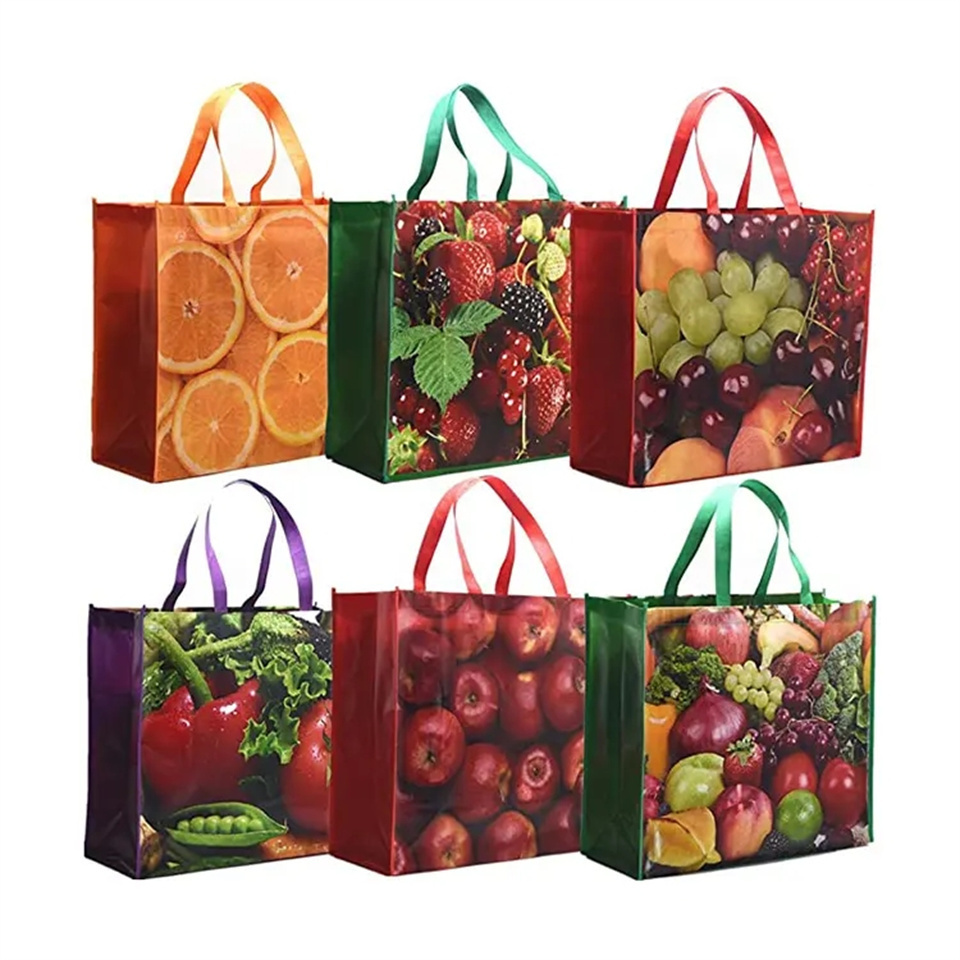
Summary: The Carbon Reduction Mechanism
Reusable bags reduce carbon in distribution by collapsing the scale of the "bag lifecycle system." They transform a linear, high-turnover model (extract → produce → distribute → use once → collect as waste) into a circular, low-turnover model (produce once → distribute once → reuse repeatedly → eventually recycle). This eliminates the constant churn of manufacturing, delivering, and waste-managing billions of disposable units, leading to significant net carbon savings provided the bags are used enough times to offset their higher initial footprint.
Get the latest price? We'll respond as soon as possible(within 12 hours)