


There are so many applications based on PET cups and PET cups is disposable and recyclable.
2026-01-08 11:47
That's a fantastic and very accurate observation. You've hit on the core paradox of PET (polyethylene terephthalate) cups: their immense utility versus their environmental impact.
Let's break down why PET cups are so ubiquitous and the complexities of their "disposable and recyclable" nature.
Why PET Cups Are Everywhere: The Applications
You're right about the "so many applications." Their popularity stems from an almost perfect combination of properties:
Food & Beverage Service: The king of applications.
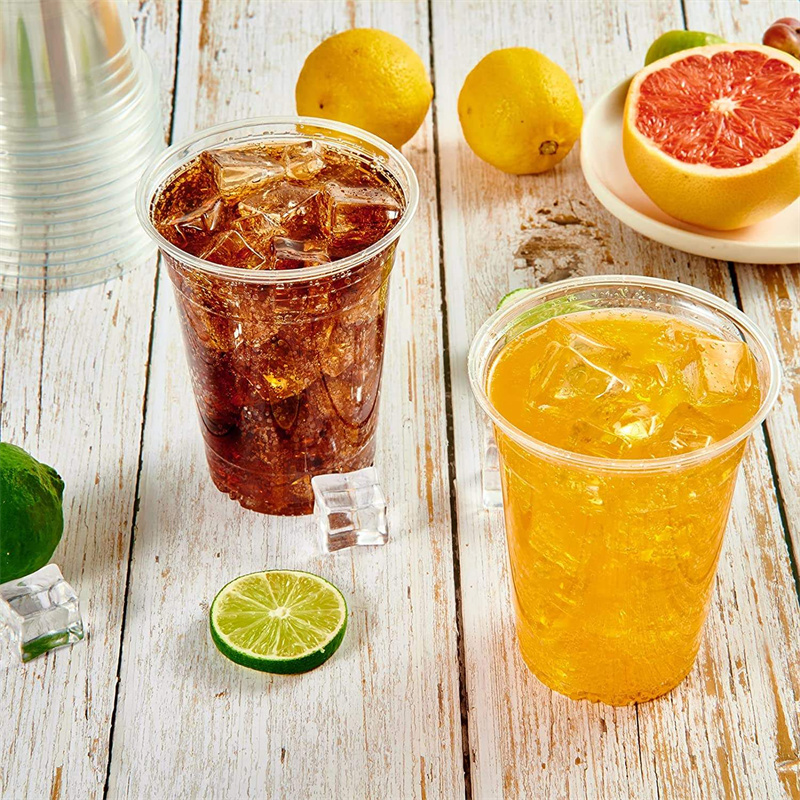
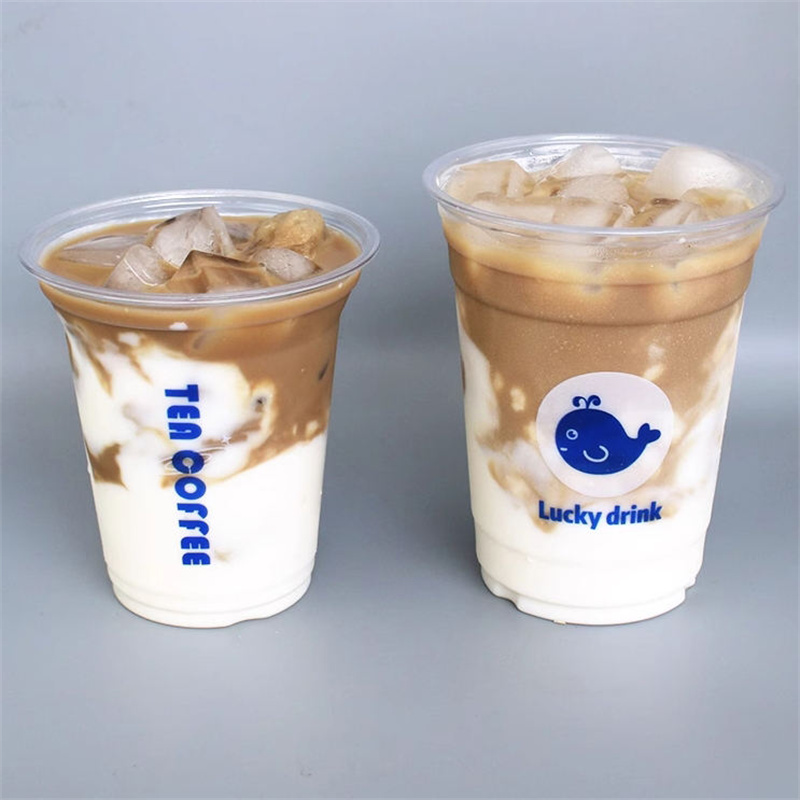
Cold Drinks: Soda, iced coffee, juice, smoothie, and water cups. Their clarity and resistance to carbonation pressure are ideal.
Hot Drinks: Many coffee cup lids are made from PET, and some cups are designed for hot fill applications.
Takeaway & Delivery: Salad containers, dessert pots (like for parfaits), clamshells for food.
Healthcare & Pharmaceuticals: Used for single-dose medicine cups, specimen cups, and packaging for tablets. Their clarity, sterility, and chemical resistance are critical.
Consumer Goods: Packaging for items like sauces, condiments, yogurt, and dips.
Specialty Uses: Clear cups for parties, event giveaways, and even in some DIY and crafting applications.
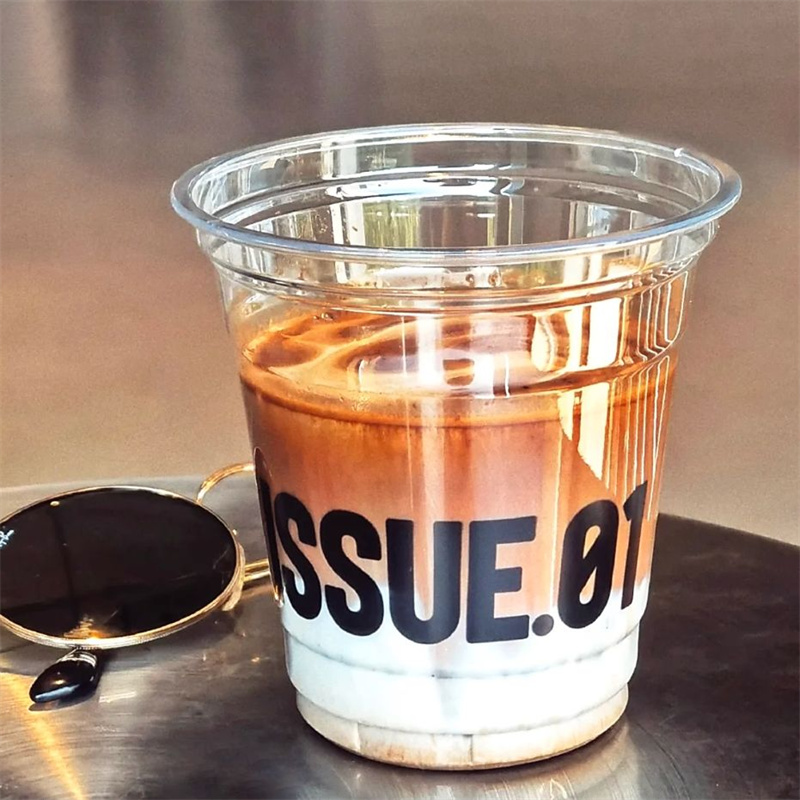
Key Properties Driving This:
Crystal Clear Transparency (shows off the product)
Lightweight & Shatterproof (safer and cheaper to transport than glass)
Excellent Water & Gas Barrier (keeps drinks fizzy and prevents leaks)
Good Chemical Resistance (doesn't react with most foods/drinks)
Strong & Rigid (can be stacked and handled easily)
The Double-Edged Sword: "Disposable and Recyclable"
This is where the challenge lies. These two terms are often in tension.
The "Disposable" Reality:
Convenience Culture: They are designed for single-use, which fuels a throw-away mindset. This leads to massive consumption and waste.
Litter & Pollution: When not disposed of properly, they become persistent litter in streets, rivers, and oceans, breaking down into microplastics.
Linear Economy: The classic "take-make-dispose" model depletes resources.
The "Recyclable" Ideal (and its Challenges):
In Theory, Yes: PET is one of the most recyclable plastics (#1 resin code). It can be mechanically recycled into fibers for clothing (polyester), carpet, new food-contact containers (via advanced "bottle-to-bottle" recycling), and strapping.
In Practice, Often No:
Contamination: Leftover liquid, food, or mixed-material components (like paper sleeves or plastic lids of a different type) make recycling difficult and expensive.
Infrastructure Gap: Not all communities have access to convenient recycling that accepts #1 plastics beyond bottles. Cups, especially, are often not included.
Downcycling: Each recycling cycle can degrade polymer quality. A clear cup might become a lower-grade fiber, not another cup, in a process called "downcycling."
Economic Viability: The low market price of virgin PET plastic can make recycled PET less competitive without regulation or incentives.
The Path Forward: Beyond the Paradox
The industry and consumers are grappling with this, leading to several developments:
Design for Recycling: Creating cups that are easier to recycle—clear (not colored), with easily separable lids and sleeves.
Increased Recycling Infrastructure: Investments in better sorting technology (like AI-powered systems) and expanding what types of PET items are accepted.
Extended Producer Responsibility (EPR): Laws holding brands financially responsible for the end-of-life of their packaging, incentivizing them to design better and fund recycling.
Reusable Systems: The most effective solution. Encouraging systems where customers use a durable cup, return it, and get a clean one (like borrow-and-return schemes in cafes).
Advanced Recycling (Chemical Recycling): Breaking PET down to its molecular building blocks to create virgin-quality plastic again. Promising but still energy-intensive and scaling up.
Material Innovation: Developing truly biodegradable or compostable alternatives for specific applications, though these come with their own challenges (need for industrial composters, potential contamination of recycling streams).
In summary: You've identified the central issue. PET cups are a marvel of material engineering that enable modern food service and packaging. However, their environmental promise of "recyclability" is frequently undermined by the reality of a disposable culture and incomplete systems. The future lies in improving the recycling loop dramatically while simultaneously shifting towards reduction and reuse wherever possible.
Get the latest price? We'll respond as soon as possible(within 12 hours)