


What's is the best material for manufacturing mailing envelope and wedding envelope?
2026-07-21 16:09
1. Standard Mailing Envelopes: Top Material – 70–100gsm Uncoated Offset Kraft Paper & White Bond Paper
For daily postal mailing, cost efficiency, durability, and postal machine compatibility are core priorities, making uncoated kraft paper and white wood-free bond paper the undisputed best choices.
70–80gsm white wood-free bond paper is the mainstream for regular office mailing envelopes. It is made from pure bleached wood pulp without clay coating, featuring smooth yet slightly textured surfaces ideal for inkjet, laser printing, handwriting, and adhesive sealing. Its moderate thickness avoids tearing during sorting, transport, and automated mail processing; it resists minor moisture from outdoor delivery and does not smudge printed addresses or stamps. The fully recyclable pulp composition aligns with global eco-mail standards, and its lightweight property keeps postage costs low, a critical advantage for bulk business mail, invoices, and personal letters.
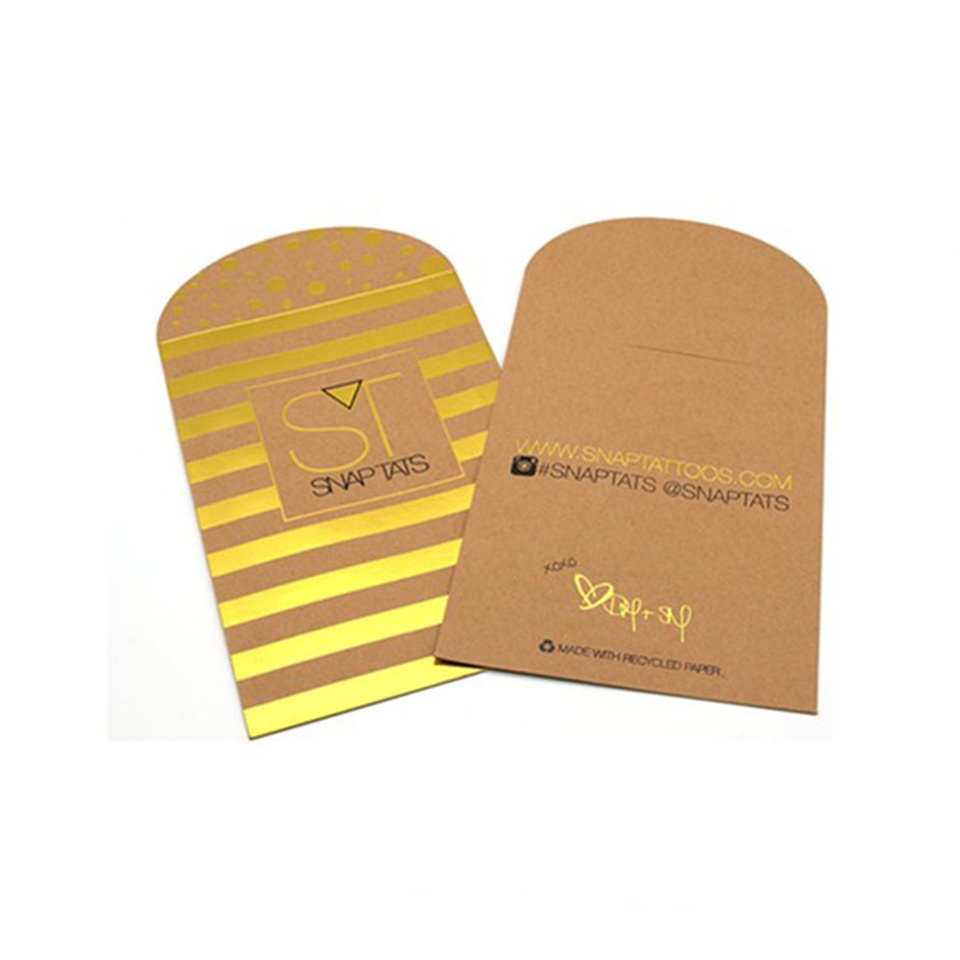
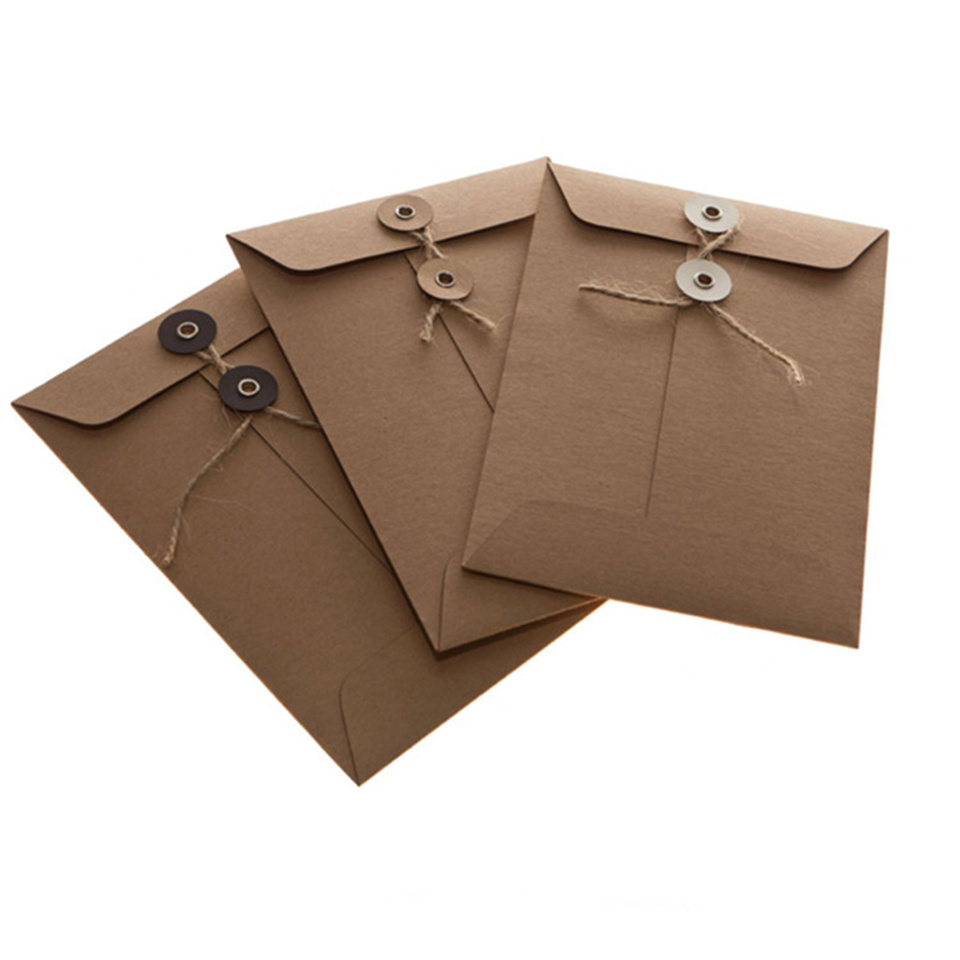
Natural brown kraft paper (90–100gsm virgin kraft) excels for heavy-duty mailing: thick, tear-resistant, oil-proof, and budget-friendly. Unbleached kraft eliminates chemical bleaching, boasting superior tensile strength to hold thick documents, small merchandise, and multi-page contracts without splitting at seams. It has high opacity to hide confidential contents, and its matte finish prevents glare on shipping labels. Recycled kraft variants (80–90gsm post-consumer waste pulp) are a sustainable alternative for eco-brands, with only a slight reduction in rigidity that still meets international postal weight and durability regulations. Coated art paper is unsuitable for regular mail: its glossy surface repels glue, causes printer jams, and adds unnecessary weight raising postage fees.
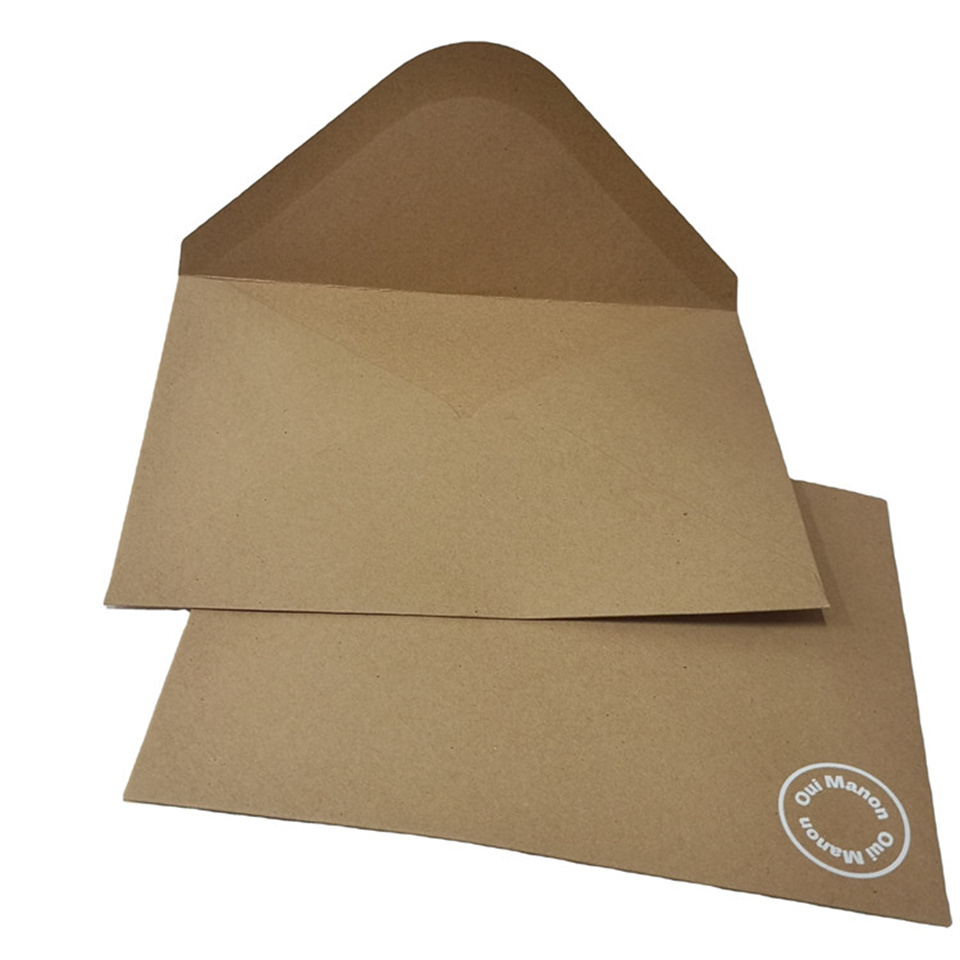
Waterproof coated kraft liner is a niche upgrade for cross-border or rainy-region mailing, with a thin PE film lamination blocking rain and sweat damage, though it sacrifices full recyclability and carries a higher production cost.
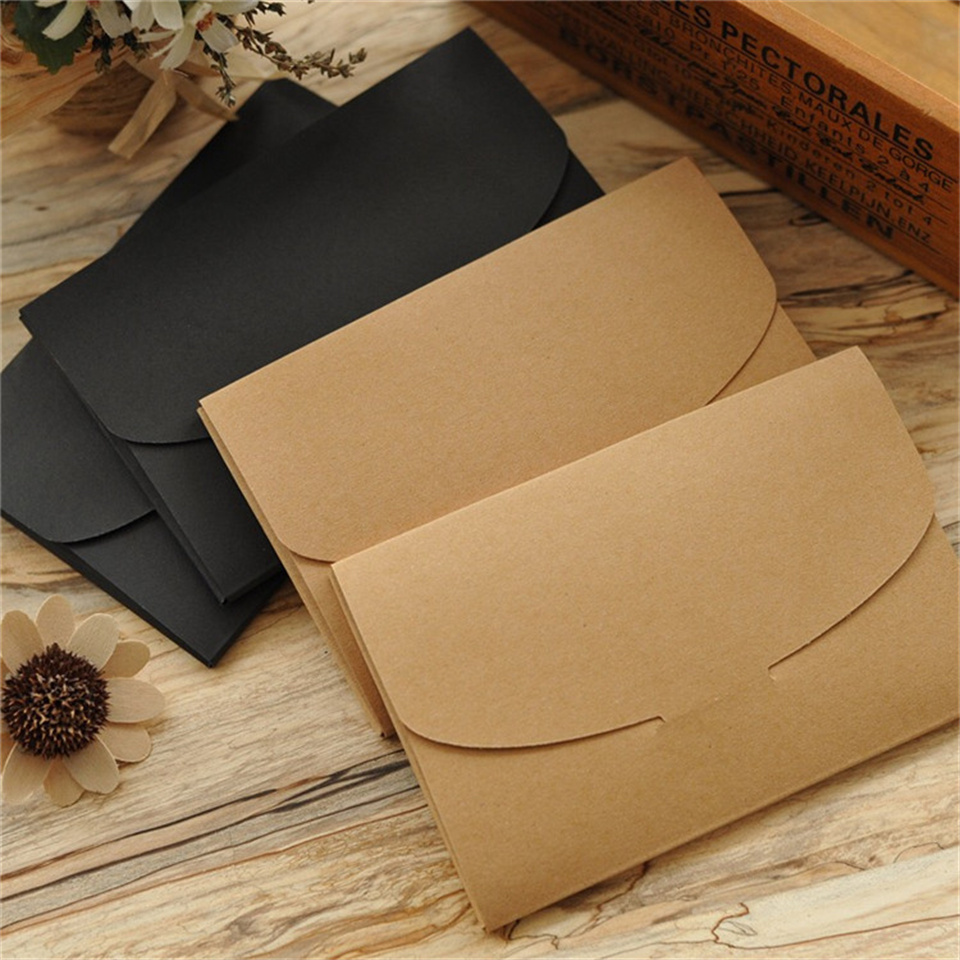
2. Luxury Wedding Envelopes: Premium Core Materials – Textured Cardstock, Pearlescent Paper, Handmade Rice Paper, and Thick Cotton Paper
Wedding envelopes prioritize aesthetic luxury, tactile texture, and ceremonial atmosphere over postal cost, requiring heavier, decorative specialty papers ranging from 120gsm to 300gsm cardstock.
120–180gsm pearlescent coated paper is the most popular all-round wedding envelope material. Infused with subtle mica pigments, it delivers soft iridescent champagne, ivory, gold, or silver undertones under light, elevating minimalist, vintage, and modern wedding themes. Its sturdy base holds foil stamping, embossing, letterpress printing, and wax seals without warping; the smooth pearlescent layer pairs beautifully with calligraphy ink, avoiding feathering while retaining a delicate sheen that photographs elegantly for wedding stationery flat lays.
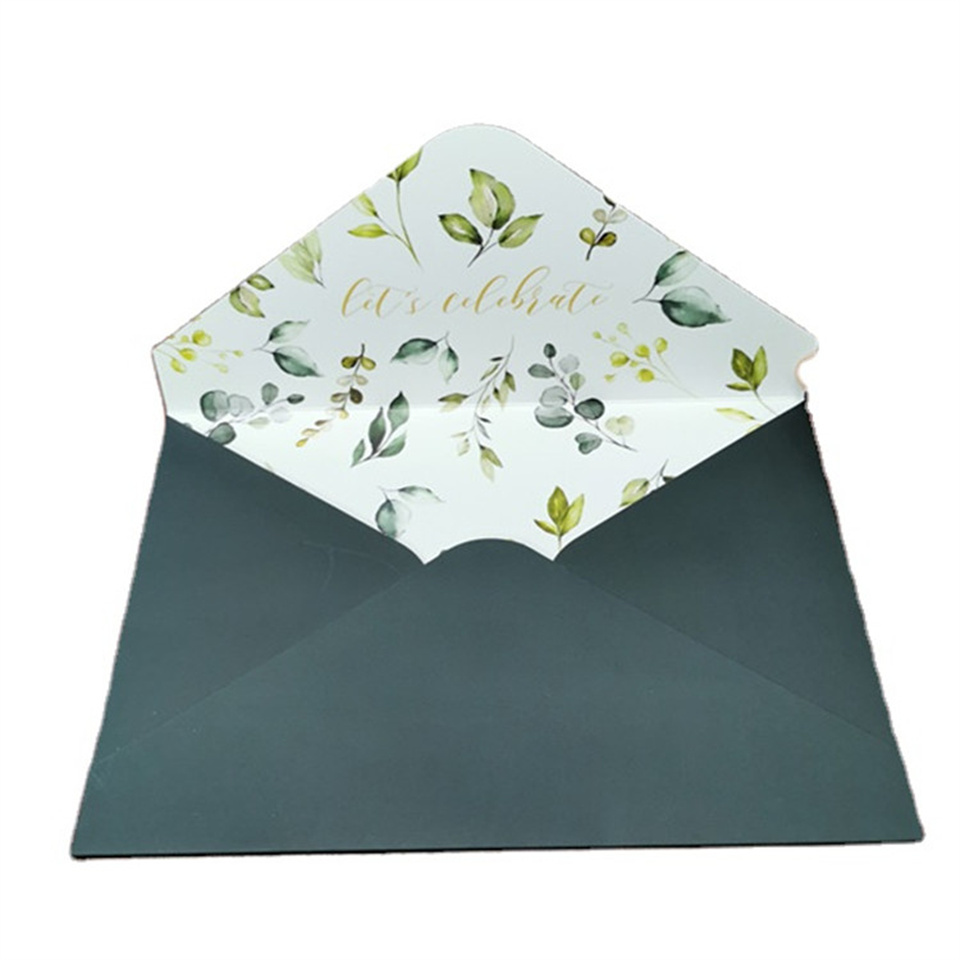
180–250gsm textured cotton cardstock stands as the premium luxury pick for high-end formal weddings. Blended with 20%–100% cotton fiber, it has a soft, grainy matte texture reminiscent of antique stationery, offering exceptional thickness and rigidity that eliminates flimsiness. Pure cotton paper is acid-free, preventing yellowing over decades, perfect for couples preserving invitation keepsakes. It supports deep debossing, gold foil lining, and silk ribbon ties, and its neutral ivory and cream tones match lace, floral, and classic ballroom wedding aesthetics flawlessly.
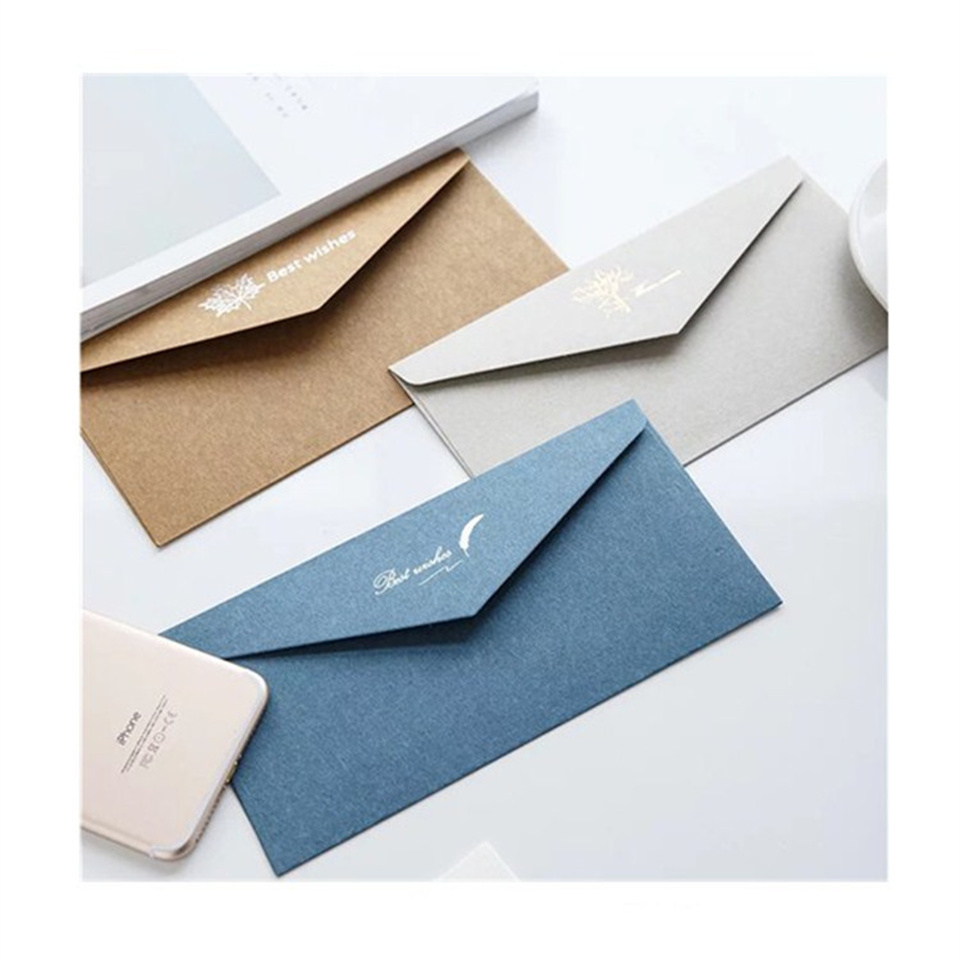
Handmade mulberry rice paper (100–150gsm) caters to bohemian, rustic, and outdoor garden weddings. Crafted from natural mulberry bark fibers, it carries organic fiber flecks, uneven soft edges, and translucent lightweight quality ideal for layered envelope liners or outer sleeve overlays. It pairs well with dried flower inserts and wax seals, though its thinness requires a thicker backing card for standalone mailing to avoid tearing in transit.
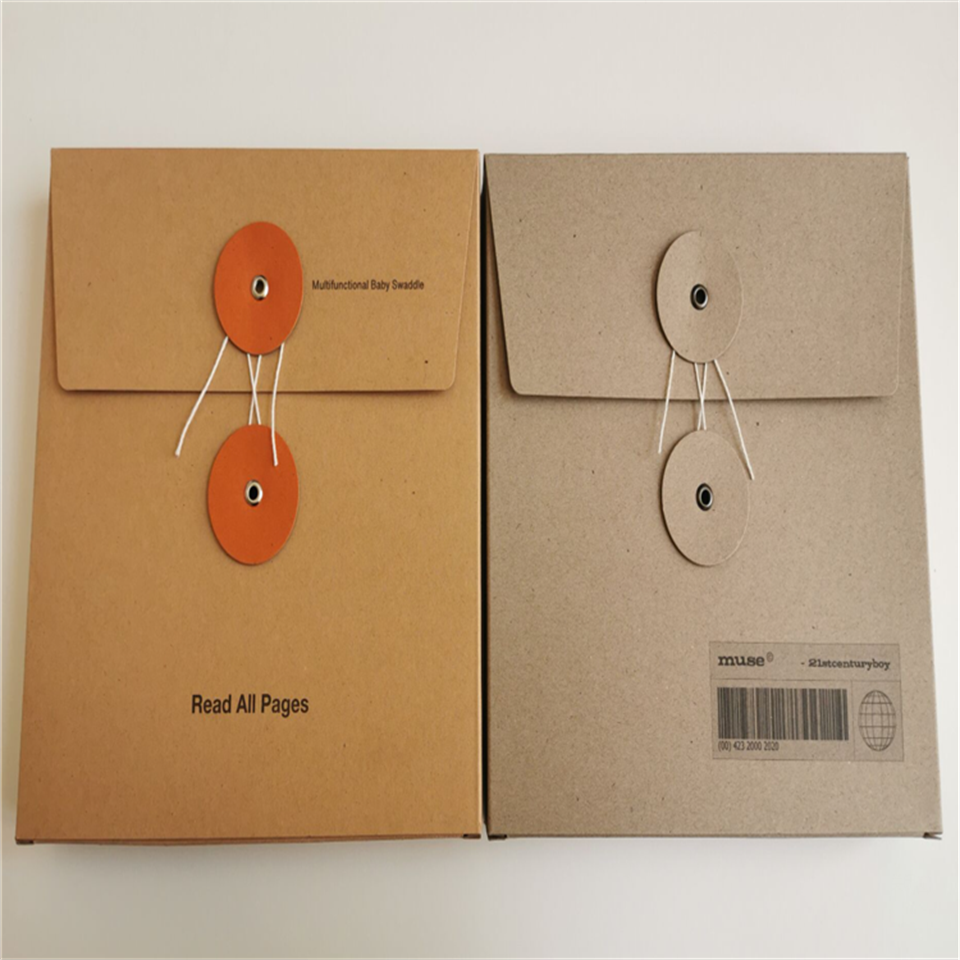
Metallic foil paper and velvet laminated card are decorative secondary layers rather than full envelope bases: full velvet or heavy metallic stock is overly rigid, prone to creasing during postal sorting, and may incur extra surcharges due to abnormal thickness. For mailing wedding invites, a 130–160gsm pearlescent or cotton outer envelope balances luxury and postal practicality, avoiding ultra-thick specialty stocks that risk damage in mail machinery.
Key Comparative Summary
Mailing envelopes prioritize lightweight, tear-resistant, print-friendly uncoated kraft/bond paper for functionality and low postage. Wedding envelopes demand heavyweight specialty textured, pearlescent, or cotton papers for decorative, sentimental value, with moderate thickness selected to balance luxury and deliverability. Eco-conscious producers blend recycled pulp for mailers and unbleached cotton for wedding suites to meet sustainable manufacturing demands across both product categories.
Get the latest price? We'll respond as soon as possible(within 12 hours)