


What's the main concerns for using paper food packaging in Europe like sushi box and burger box?
2026-07-15 14:59
Main Concerns of Coated Paper Sushi & Burger Boxes for EU Market
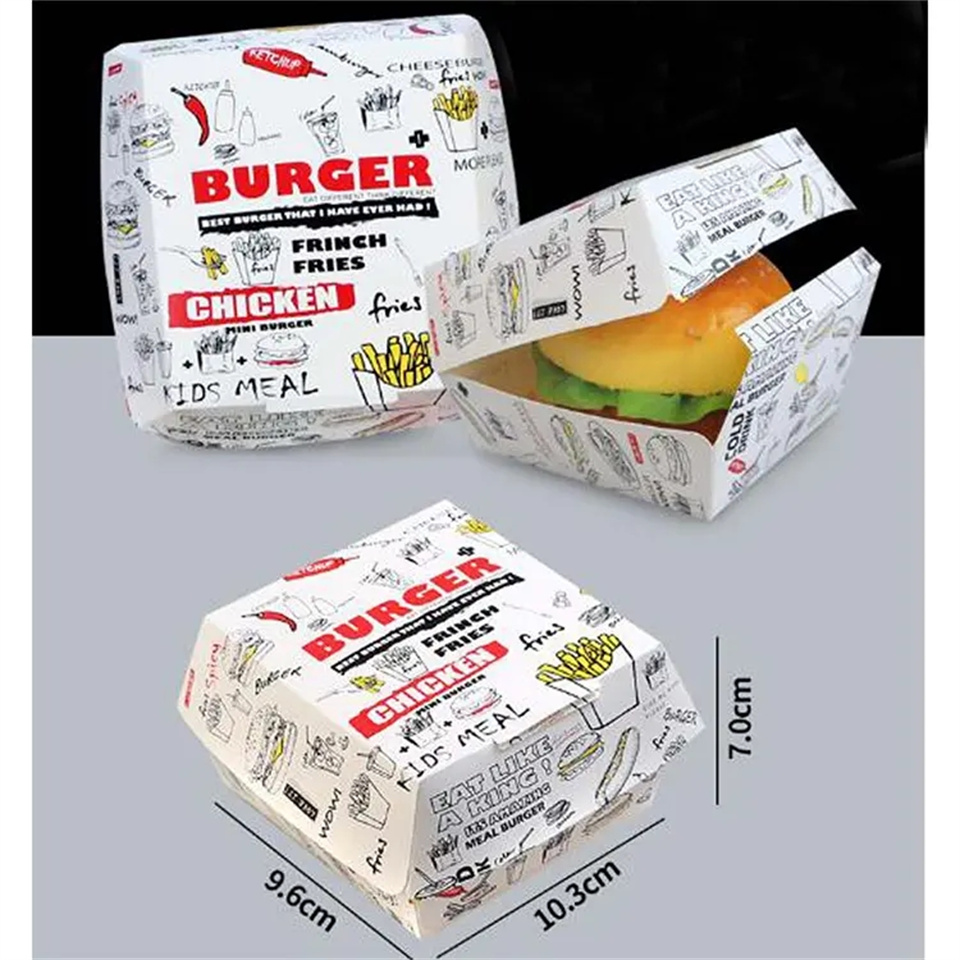
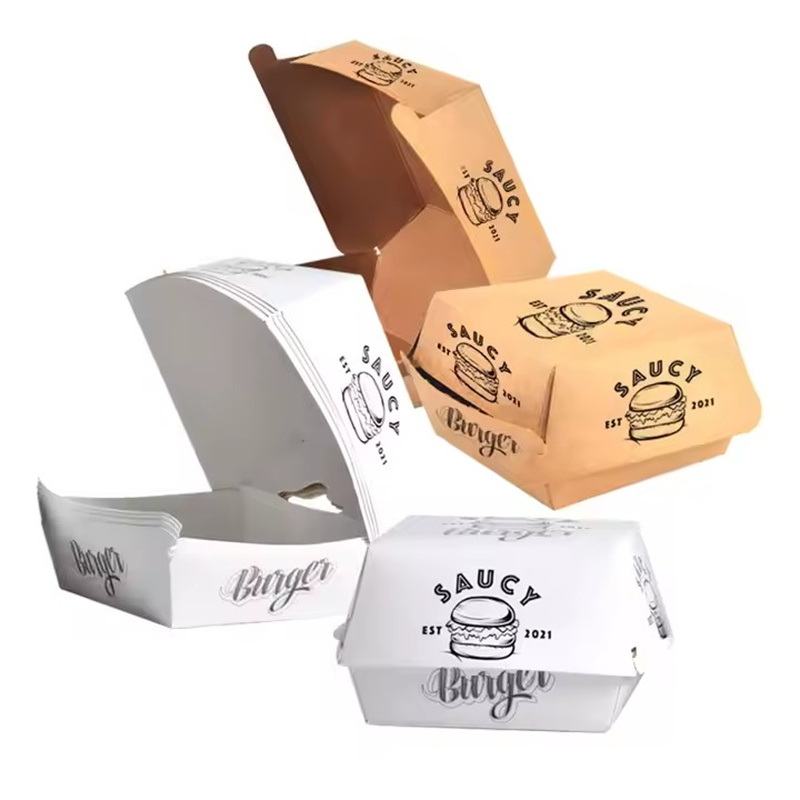
Sushi boxes and burger takeaway cartons are almost always plastic-laminated paperboard (PE coating, PFAS greaseproof treatment, wax coating) to resist oil, soy sauce, hot grease, moisture and soup leakage. This composite structure creates overlapping regulatory, food safety, recycling, functional, commercial and environmental pain points unique to Europe under PPWR (EU 2025/40), SUPD, food contact material rules and national waste laws. Below is a full breakdown targeted to sushi and burger packaging scenarios.
1. Severe Regulatory Compliance Risks (Top Business Concern)
All coated paper food containers fall under the new Packaging and Packaging Waste Regulation (PPWR) effective 12 August 2026 plus Single-Use Plastics Directive (SUPD 2019/904). Sushi and burger boxes face two critical legal traps: classified as single-use plastic packaging and strict chemical bans.
1.1 Laminated paper boxes legally count as plastic packaging, facing phase-out bans
PE-lined sushi trays, burger cartons and sauce-compartment paper boxes contain a plastic barrier layer to block grease and liquid. Under PPWR Article 25 and national transposition rules:
• Any rigid takeaway food box with plastic coating exceeding 3–6% by weight will be banned from the EU market starting 1 January 2030TRIS - Eur....
• EU authorities define composite paper-plastic packaging as “single-use plastic”, not pure paper, triggering plastic tax charges (UK PPT, French plastic tax, Belgian eco-tax) and mandatory EPR producer fees scaled by plastic content.
• Cross-border inconsistency: Germany, France, Netherlands enforce stricter plastic weight thresholds than Southern EU states. Importers risk customs detention, fines or full container seizure if plastic coating percentage exceeds local limits.
Even “eco-friendly PLA coated” sushi boxes are still polymer-laminated and treated as plastic composite packaging, with the same phase-out timeline.
1.2 Mandatory strict PFAS “forever chemical” limits (August 2026 hard deadline)
Sushi (soy sauce, fatty raw fish) and burger boxes (beef grease, melted cheese) historically rely on PFAS fluorochemical coatings for superior oil resistance. PPWR sets non-negotiable caps for all food-contact paper packaging sold in the EU from 12 August 2026WTO/F...:
• Single non-polymer PFAS ≤25 ppb
• Sum of all non-polymer PFAS ≤250 ppb
• Total fluorine (all PFAS types) ≤50 ppm
Key industry pain points for sushi/burger operators:
1. PFAS-free alternatives (starch coating, plant wax, chitosan) perform poorly against heavy fish oil, hot beef fat and watery sushi dipping sauces—causing leakage, paper softening and customer complaints.
2. Third-party PFAS testing via Py-GC/MS is costly; small takeaway chains and Asian food suppliers lack budget for monthly compliance screening.
3. Imported sushi boxes from Asia frequently fail fluorine testing, leading to customs rejection and write-off losses.
PFAS are bioaccumulative, non-degradable and linked to hormonal disruption; EU market surveillance authorities conduct random retail sampling with mandatory product recalls for non-compliant batches.
1.3 Fragmented food contact material (FCM) laws across EU member states
There is no unified EU standard for paper food packaging—only the general framework EC 1935/2004, while plastic coatings separately follow EU 10/2011. Each country adds divergent national limits:
• Germany LFGB enforces tight mineral oil and optical brightener thresholds;
• France and Italy impose stricter migration limits for printing ink photoinitiators and heavy metals;
• Nordic countries ban unbleached recycled paper for high-fat food contact (sushi, fried burgers).
A sushi box certified safe for Germany may fail French inspection, requiring duplicate testing and higher administrative costs for cross-border foodservice brands. All suppliers must maintain full traceability documents (Declaration of Conformity) for pulp, coatings, adhesives and printing inks; incomplete traceability automatically blocks market access.
1.4 Heavy metal universal caps (effective August 2026)
PPWR mandates combined lead, cadmium, mercury, hexavalent chromium ≤100 mg/kg for all packaging. Cheap printed burger/sushi cartons often exceed limits via low-grade recycled pulp, pigmented printing inks or poor-quality coating additives. Non-compliant goods are banned from sale without exception.
2. Food Safety & Chemical Migration Hazards (High Risk for Oily, Acidic Sushi/Burger Food)
Paper’s porous fibre structure accelerates chemical transfer, especially with hot, fatty, acidic food typical of takeaway sushi and burgers.
2.1 Mineral Oil Hydrocarbon (MOSH/MOAH) contamination
Printed outer graphics on sushi/burger boxes use offset inks containing mineral oils that seep through paper fibres into food. Genotoxic MOAH fractions carry carcinogenic risks, with EU advisory limits set based on fat contentBundesinst...:
• ≤0.5 mg/kg for low-fat foods
• ≤1–2 mg/kg for high-fat items (fried burgers, fatty tuna sushi, salmon rolls)
Recycled paperboard used to cut costs is the main contamination source—recovered pulp mixes ink residues from newspapers and non-food packaging. Switching to virgin pulp eliminates mineral oil risk but raises raw material costs by 30–60%.
2.2 Printing ink set-off and toxic migrant transfer
Stacked flat sushi and burger boxes cause ink “set-off”: printed dye transfers from the outer printed side to the inner food-contact surface. Benzophenone photoinitiators, azo dye breakdown products and plasticizer additives migrate into hot grease, vinegar sushi rice and acidic pickled ginger. EU food safety agencies regularly identify excess ink migration in fast-food cartons during market audits. Water-based inks reduce risk but slow production lines and increase unit costs for manufacturers.
2.3 Risks from recycled paper fibre
Many suppliers use recycled cardboard to market “sustainable” packaging, yet recovered pulp carries uncontrolled Non-Intentionally Added Substances (NIAS): residual PFAS, plastic micro-fragments, phthalates and adhesive chemicals mixed from general waste paper streams. EFSA warns that sorting facilities cannot fully filter these contaminants, making recycled paper unsuitable for direct contact with high-fat sushi and fried burgers. Premium European restaurant chains have already eliminated recycled pulp for food-contact inner layers to avoid liability.
2.4 Coating additive migration under hot takeaway temperatures
Hot burger patties, warm sushi rice and microwave-heated takeaway raise surface temperatures above 60°C, accelerating migration of plastic coating monomers (PE additives, plasticisers) into oily food. All plastic lining components must meet EU 10/2011 specific migration limits; cheap thin PE coatings often exceed overall migration limits under heat stress.
3. Severe Recyclability & Circular Economy Failures (Contradicts “Eco-Paper” Marketing)
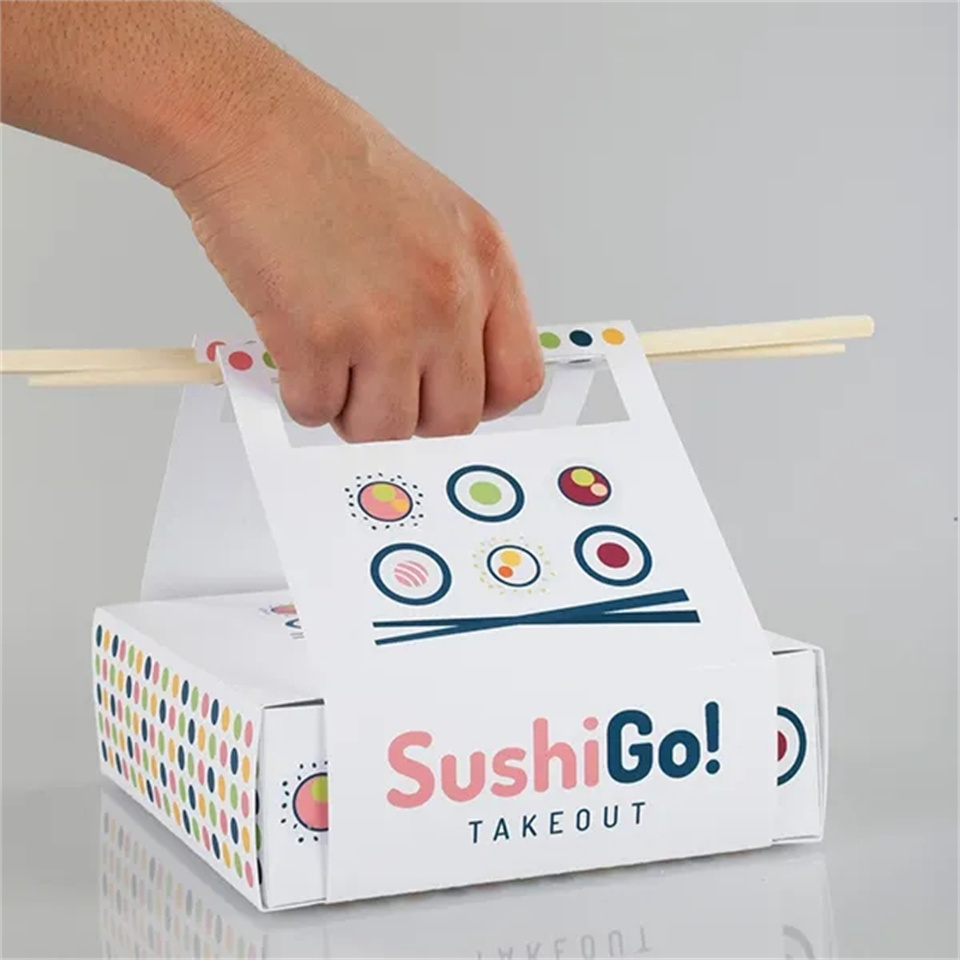
Brands market sushi and burger paper boxes as recyclable, yet their laminated composite structure makes them nearly unrecyclable within standard EU municipal waste infrastructure—one of the biggest greenwashing concerns flagged by European consumer groups BEUC and waste authorities.
3.1 PE/PLA laminated layers cannot be separated during paper recycling
Standard paper mills use water pulping to break down fibres, but plastic coating remains intact as thin film fragments that contaminate recycled pulp batches:
• Laminated sushi trays and burger cartons clog recycling machinery, reduce recycled paper quality and raise mill processing costs.
• EU recyclability standards (PPWR Article 6) require packaging to achieve ≥70% recyclability by 2030; most coated takeaway boxes score below this threshold and will be prohibited from the marketWTO/F....
• Dual-stream sorting systems fail to split paper and plastic layers; consumers almost always discard full contaminated boxes into paper recycling bins, ruining entire waste batches.
3.2 Heavy food grease/sauce contamination disqualifies them from paper recycling
EN 643 European recycling standards ban heavily food-soaked paper from paper recycling streamsthecpi.org...:
• Burger grease, sushi soy sauce, fish oil and mayonnaise soak deep into paperboard fibres; surface staining is tolerated, but saturated oil penetration renders fibres unrecoverable.
• Used sushi and burger boxes are classified as residual waste (sent to incineration or landfill) in most EU cities, defeating the sustainability claim of paper vs single-use plastic.
• Consumers face confusing sorting instructions: “rinse thoroughly before recycling”, yet sticky sauce and solid grease cannot be fully removed by household washing.
3.2 No viable compostability for laminated paper boxes
Uncoated pure paper can be industrially composted, but PE/PLA-laminated sushi/burger boxes contain non-compostable polymer layers that leave microplastic residues in compost facilities. Even biodegradable PLA coating requires strict industrial compost temperature conditions (55–70°C) unavailable in most local EU garden compost schemes. PFAS-treated greaseproof paper cannot enter compost streams at all, as fluorinated chemicals poison soil microbes.
4. Functional Performance Limitations for Sushi & Burger Takeaway Operations
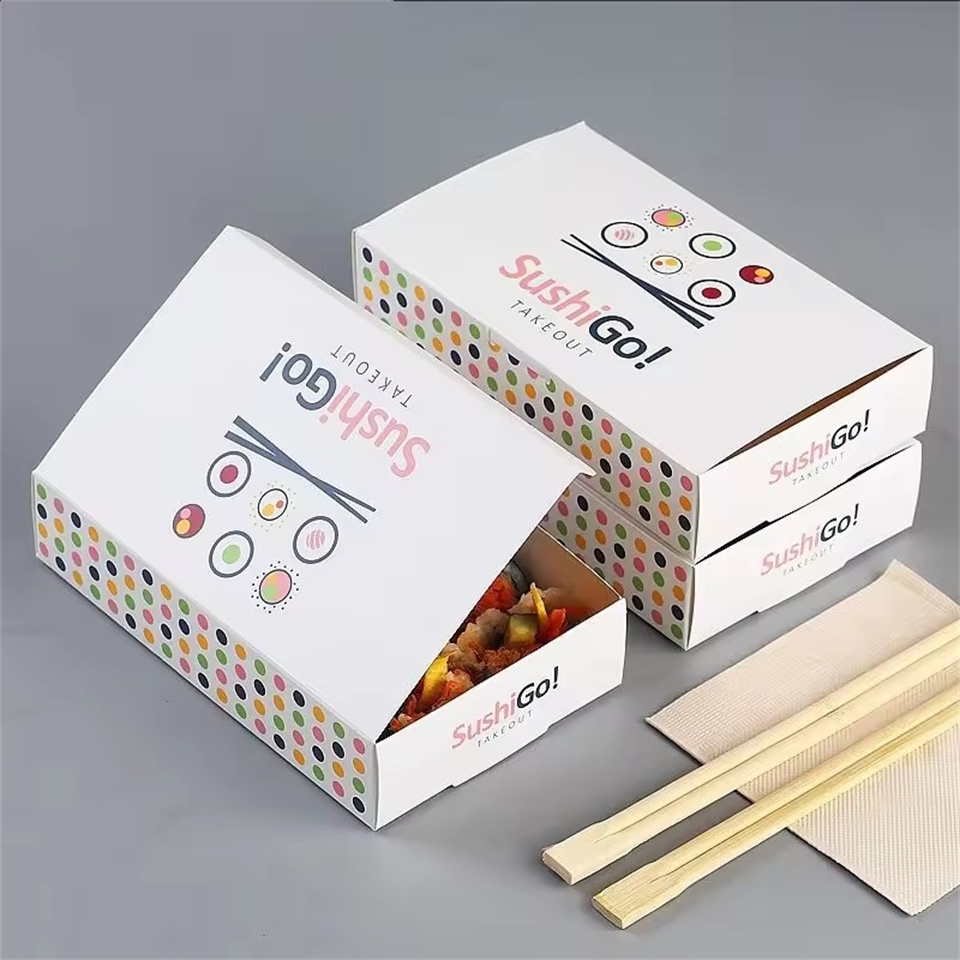
Paper packaging’s core functional flaws force restaurants to compromise food quality, increase secondary packaging or accept higher product waste:
1. Weak moisture & oil resistance without harmful coatings
Remove PFAS/PE lining and paper quickly sags, leaks soy sauce, rice vinegar and melted burger grease during delivery. Wet paper tears easily, ruining customer orders and creating food waste. Plant-based barrier coatings still perform poorly with prolonged contact with fatty fish and hot fried food.
2. Low structural rigidity for stacked delivery
Thin coated paper sushi trays deform under stacked weight in delivery bags; burger cartons collapse, crushing buns, salad and sushi rolls. Restaurants must add extra paper inserts or secondary plastic wrap, increasing total packaging waste volume and contradicting PPWR packaging reduction targets (5% waste cut by 2030).
3. No heat retention & steam damage
Paper absorbs steam from hot burgers and warm sushi rice, turning soft and soggy within 10–20 minutes of delivery. Operators need separate foil or plastic liners for heat retention, adding composite plastic components and worsening recyclability issues.
4. Limited microwave usability
Plastic-laminated boxes cannot be microwaved (risk of coating melting and chemical migration). PFAS-free starch-coated paper warps and leaks when reheated, creating customer inconvenience.
5. Commercial & Supply Chain Disadvantages for EU Food Businesses
5.1 High compliance and testing overheads
Brands selling sushi/burger boxes across multiple EU countries must run separate LFGB, French ANSES and general EU food contact safety tests, plus quarterly PFAS, heavy metal and mineral oil screening. Small independent sushi shops and fast-food chains cannot absorb recurring laboratory costs.
5.2 Expensive PFAS-free coated paper alternatives
PFAS-free oil-resistant paperboard costs 40–80% more per unit than traditional fluorinated coated stock. For high-volume takeaway chains ordering hundreds of thousands of boxes monthly, packaging overheads rise drastically with no corresponding price increase customers will accept.
5.3 Complex EPR registration and waste fees
Under EU EPR rules, all packaging producers/importers must register in every member state they sell into and pay modulated waste fees based on plastic content, weight and poor recyclability. Laminated sushi/burger boxes attract higher EPR charges than mono-material packaging due to their composite hard-to-recycle structure.
5.4 Short transition timeline with limited viable alternatives
The August 2026 PFAS limit and 2030 plastic composite ban leave foodservice brands only 4 years to fully redesign packaging. Reusable plastic or stainless steel returnable containers require expensive collection, washing and logistics systems—unfeasible for small sushi takeaway outlets without centralised infrastructure. Pure uncoated paper cannot meet functional oil/moisture needs, creating a transitional packaging gap with no low-cost middle ground.
6. Greenwashing & Consumer Trust Risks
Brands commonly label laminated sushi/burger boxes “eco-friendly”, “recyclable paper” or “plastic-free”, yet EU consumer authorities classify this as misleading green marketing:
• Composite paper-plastic packaging cannot claim “plastic-free”; false labelling triggers fines under national consumer protection laws (Germany UWG, France Code de la Consommation).
• Eco-conscious EU customers increasingly recognise laminated takeaway paper as a flawed plastic substitute, damaging brand reputation for sushi restaurants and fast-food chains marketing sustainability values.
• Environmental NGOs highlight that single-use coated paper generates comparable lifecycle carbon impacts to lightweight plastic film when accounting for pulp harvesting, water-intensive paper production and unrecyclable waste incineration.
Summary of Core Unique Concerns for Sushi & Burger Paper Boxes
1. Regulatory: PE/PFAS-laminated composite design triggers single-use plastic classification, 2026 PFAS bans and 2030 rigid takeaway packaging phase-outs under PPWR.
2. Food safety: Oily, hot, acidic sushi/burger food accelerates migration of mineral oils, ink toxins and coating additives; recycled pulp carries hidden contaminants.
3. Circularity: Laminated layers + heavy grease contamination render boxes functionally unrecyclable and non-compostable in standard EU waste systems.
4. Functionality: PFAS-free barrier paper fails to resist fish oil, soy sauce and hot grease, causing leakage and food waste during delivery.
5. Commercial: High testing costs, expensive alternative coatings, steep EPR waste fees and a tight regulatory transition timeline with limited viable replacement packaging.
6. Brand risk: Misleading “plastic-free/recyclable” labelling counts as greenwashing, risking fines and loss of eco-customer trust across European markets.
Get the latest price? We'll respond as soon as possible(within 12 hours)